



Falls happen more often than we’d like to think. If you’re a resident in a retirement community in Sanford, FL, you understand how maintaining physical health and balance becomes more complex as our bodies change with age.
The good news is that chair yoga creates an accessible path to exercise that welcomes seniors at every ability level. Think of chair yoga as traditional yoga’s thoughtful adaptation—one that allows you to practice poses while seated or using a chair for support. This gentle approach was created specifically for people managing mobility, balance or stamina challenges, which makes it particularly valuable in senior living environments.
What is Chair Yoga and Why It Matters for Seniors
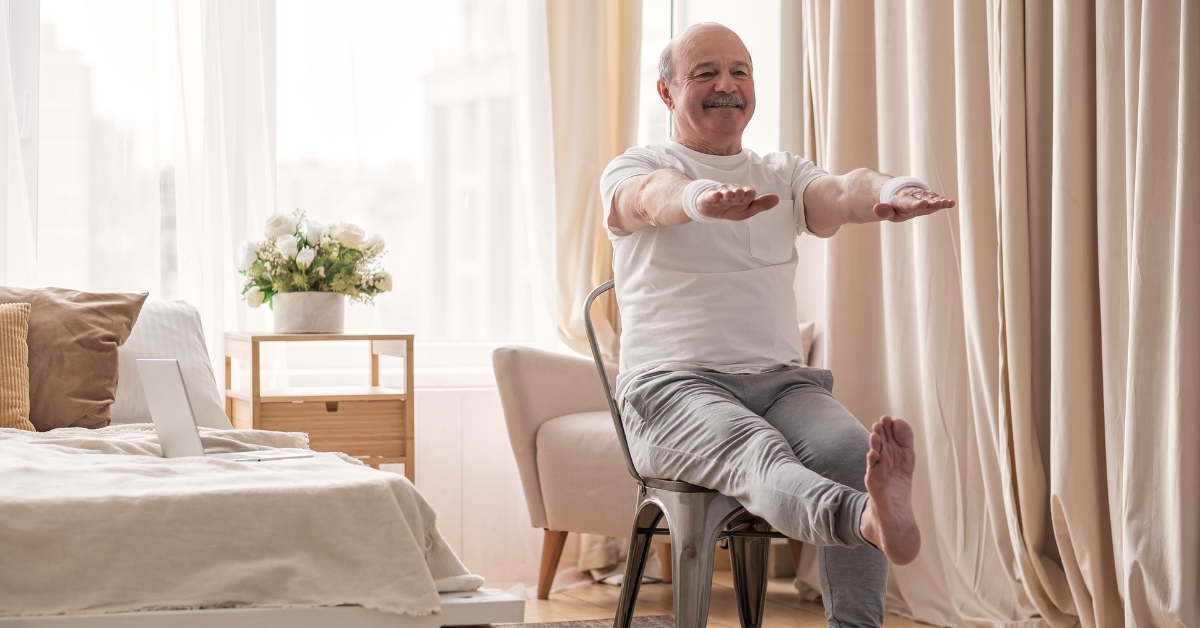
Chair yoga adapts traditional yoga principles specifically for people who find floor-based practices challenging. This accessible exercise form lets you perform poses while seated or using a chair for support, which makes it especially valuable for older adults living in a retirement community in Sanford, FL.
Why it’s ideal for retirement communities
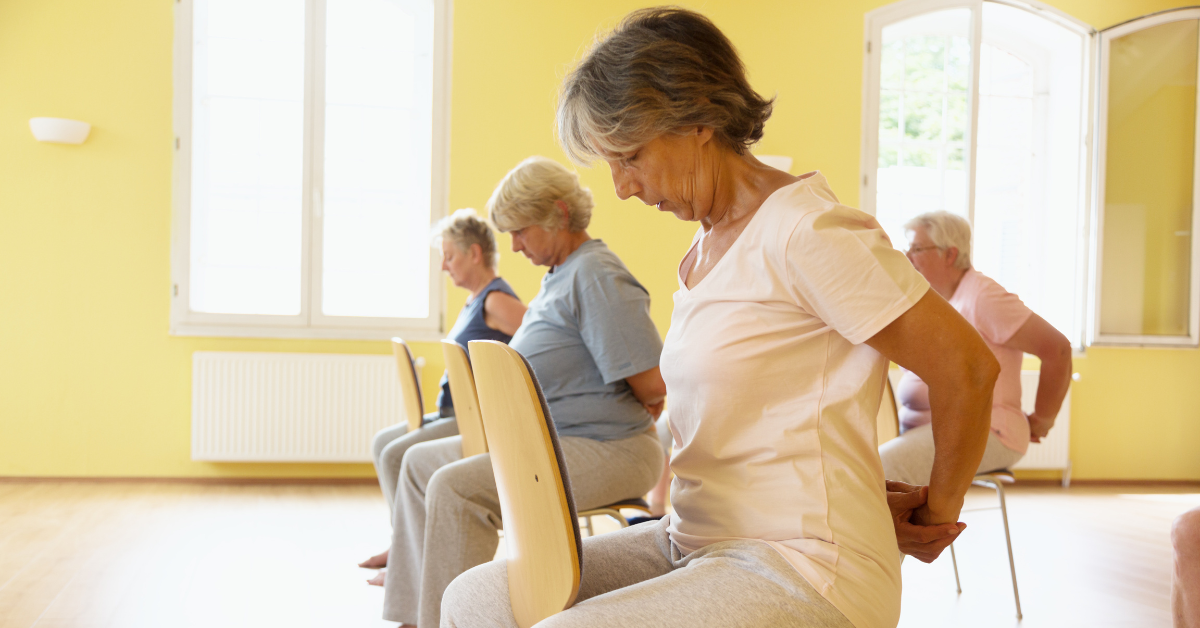
The beauty of chair yoga lies in how it creates an inclusive space where residents with different physical conditions can practice side by side. This quality makes it particularly valuable in retirement communities for several important reasons:
- Safety and accessibility: Removes fall risk while delivering effective exercise
- Space efficiency: Needs minimal equipment (just sturdy chairs)
- Social connection: Group classes build community bonds and combat isolation
- Adaptability: Sessions can welcome varying ability levels at once
Perhaps most importantly, chair yoga serves as a bridge to other forms of exercise for seniors who might otherwise stay sedentary. For retirement communities committed to resident wellness, this practice offers a welcoming starting point.
Physical and Mental Benefits of Chair Yoga
Improved flexibility and joint mobility
Chair yoga works quietly to increase flexibility, strengthen muscles and enhance your overall body awareness through gentle stretches and movements. Regular practice can meaningfully reduce joint stiffness and improve range of motion, making those everyday activities feel a little easier. Chair yoga effectively improves flexibility in the hands, arms and legs. Many seniors find relief from arthritis pain and notice improved joint health as the practice encourages gentle movement while the chair provides steady support.
Better balance and fall prevention
Here’s where chair yoga truly shines for seniors—improved balance and stability. The practice strengthens your core muscles, which serve as the foundation for maintaining balance and good posture. Regular practice can enhance postural stability and reduce the worry about falling.
Reduced stress and anxiety
The mindfulness and breathing techniques at the heart of chair yoga become powerful allies in managing stress. Those deep breathing exercises actually activate your parasympathetic nervous system, helping your body find calm and reducing stress hormone levels.
Enhanced sleep and mood
You might discover that regular chair yoga practice leads to better sleep patterns. The benefits of relaxation techniques and stress reduction often translate to less nighttime restlessness and more restful sleep. Chair yoga also encourages the release of endorphins, your body’s natural mood boosters, which can help counter feelings of depression and isolation.
Getting Started with Chair Yoga in a Retirement Community
Talk to your doctor before starting
Your physician should know about your plans to begin chair yoga, especially if you’re managing back, shoulder or hip concerns or if you’ve had recent surgery. Getting medical clearance helps ensure this gentle practice aligns well with your current health needs.
Find a certified instructor or class
Look for instructors who have specific training in chair yoga for seniors. Many retirement communities host these classes right on-site, which makes participation much more convenient. When possible, choose someone who truly understands the unique considerations that come with aging.
Start with simple poses and breathing
Your first sessions should feel gentle and manageable. Give your body time to adapt to basic movements. Focus on learning proper breathing techniques and simple stretches before moving to more involved poses.
Use a sturdy chair and a safe space
You’ll need a stable chair without arms—one that won’t tip, wobble or roll away. Set it up on a flat, even surface, ideally on a yoga mat for better grip.
Practice regularly but gently
Consistency matters more than intensity here. Two to three sessions each week work well for most people. Pain should never be part of your practice—if something hurts, stop and modify the movement. Your body knows what it needs, so listen to those signals.
Honoring Yourself
Chair yoga offers something many of us thought we might have lost—the chance to feel strong and capable in our bodies again. This practice doesn’t promise miracles, but it delivers something perhaps more valuable: a realistic way to stay active that honors where you are right now.
You don’t need to become a yoga expert or push through pain to benefit from this practice. The simple truth is that showing up consistently, even for just a few minutes, creates change. Your body remembers how to move when you gently encourage it—looking for an assisted living that prioritizes your health? Contact us at (407) 499-7300 to schedule a tour of Marina Isle.
FAQs
Q1. What are the benefits of chair yoga for older adults?
Chair yoga offers many benefits for seniors, including improved flexibility and joint mobility, better balance and fall prevention, reduced stress and anxiety, enhanced sleep and mood and potentially boosted cognitive function. It’s a gentle yet effective way to maintain overall health and well-being.
Q2. Is chair yoga suitable for seniors with limited mobility?
Yes, chair yoga is ideal for seniors with limited mobility. It’s designed to be accessible, allowing participants to try poses while seated or using a chair for support. This makes it suitable for those with balance issues, arthritis or other physical limitations.