


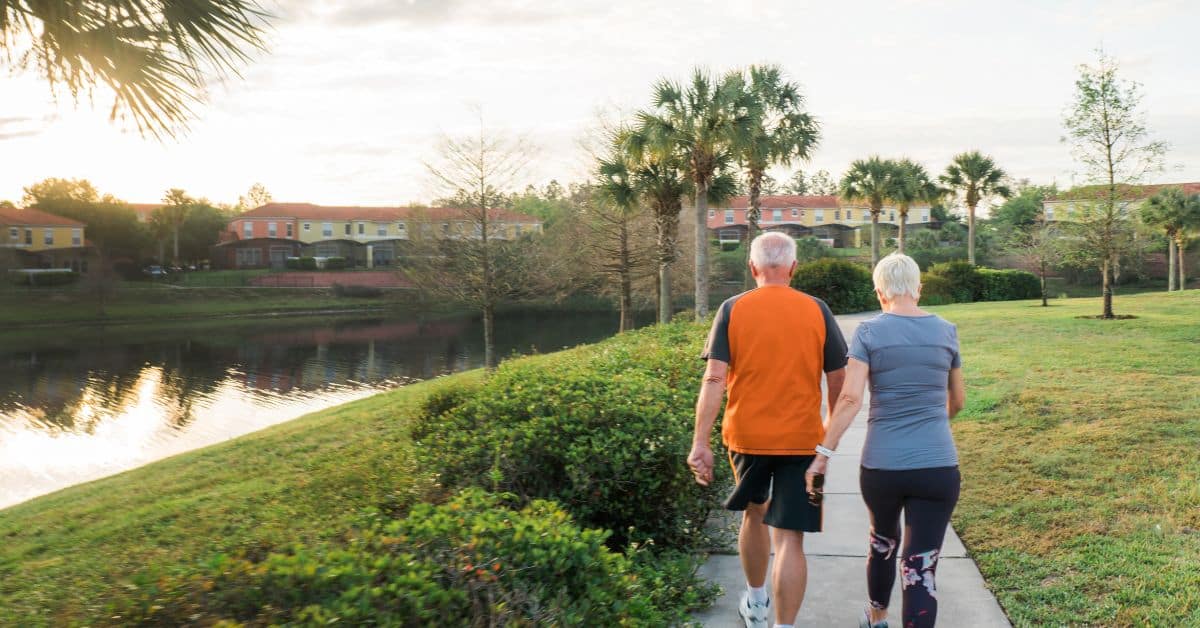

Loneliness touches more seniors than most families realize. Seniors need more than just medical care and daily assistance to truly flourish. They need genuine connections, shared experiences and a sense of belonging that makes each day meaningful. This understanding has shaped how assisted living in Lake Mary, FL, approaches resident care—building authentic relationships becomes the cornerstone of exceptional service.
Happiness and life satisfaction directly correlate with overall health and well-being. Seniors particularly benefit when activities bring genuine joy, laughter and accomplishment into their daily routines.
This guide details how assisted living in Lake Mary, FL, combats isolation by prioritizing community bonds. You will find that purposeful activities (volunteering, intergenerational programs) and strong social connections reduce depression, increase purpose, and enhance the overall health and life satisfaction of seniors.
What Activities and Programs in Assisted Living Communities are Best for Creating Strong Social Bonds?
Building authentic connections among residents doesn’t happen by accident. It requires intentional programming that recognizes a fundamental reality: one in three seniors experiences loneliness, making social activities essential rather than optional for well-being.
Themed events and holiday celebrations
Holiday celebrations create natural gathering points that spark genuine excitement among residents. Thanksgiving feasts provide seniors with something to look forward to together, fostering shared preparation and planning. These occasions also welcome family members, creating precious multi-generational moments while helping residents proudly introduce their loved ones to new friends.
Cultural and intergenerational programs
Programs connecting residents with different generations create some of the most profound transformations. Intergenerational initiatives benefit everyone involved, creating win-win relationships that address multiple needs.
Children gain from consistent, caring relationships with older adults, while seniors discover renewed purpose through meaningful contribution. These interactions take countless forms—structured arts and crafts sessions, spontaneous conversations during weather delays or organized reading partnerships.
How Does a Strong Sense of Community Impact Physical and Mental Health?
Community connections create health benefits that extend well beyond friendship and conversation. Research demonstrates that social bonds have a direct influence on both physical and mental well-being for seniors in assisted living environments—often in ways that surprise families and healthcare professionals alike.
Reduced loneliness and depression
The numbers tell a sobering story: social isolation affects approximately 37% of older adults, with nearly as many reporting persistent loneliness. These feelings aren’t simply uncomfortable emotions—they pose genuine health risks.
The flip side offers hope. When seniors participate in community activities, their depression risk drops substantially. One systematic review found that elderly individuals receiving social support experienced significantly lower depression levels compared to those without such connections. This effect appears particularly strong in eastern cultures, where social participation in reducing depression proved even more pronounced.
Increased motivation and sense of purpose
Community engagement feeds something more profound than social needs—it nurtures a sense of purpose. Many seniors discover that daily structure through community activities provides direction and meaning that had been missing. Living with purpose can enhance cognitive health and potentially contribute to increased longevity.
Strong communities understand this need. They create meaningful opportunities for residents to contribute—whether through volunteer work, mentoring younger generations or participating in community planning. These roles address a common fear among older adults: feeling like a burden rather than a valued contributor during the transition to assisted living.
What Kind of Emotional Support is Available for Seniors Dealing With Grief or Isolation?
Loss and transition touch every senior’s journey, often bringing unexpected emotional challenges. Quality assisted living communities recognize this reality and create supportive environments where residents can process these experiences with understanding and care.
Grief and Peer Support
- Bereavement & Peer Support Groups: Offer a confidential and safe space for seniors to share and process grief with others who have had similar experiences.
- One-on-One Emotional Check-ins: Private sessions with trained professionals provide individualized counseling and deep emotional validation.
Cognitive and Memory Support
- Reminiscence and Memory Sharing: This invites seniors to revisit past life events and experiences, which can significantly increase life satisfaction and overall quality of life.
- Music Therapy: This powerful approach engages areas of the brain that may be unaffected by cognitive decline, reducing agitation and supporting emotional well-being.
Spiritual and Alternative Comfort
- Spiritual and Religious Services: Offers on-site chaplains and services, including group worship and private counseling.
- Pet Therapy Options: Animal companionship offers profound emotional comfort, reducing feelings of loneliness and anxiety.
How do Assisted Living Communities Like Marina Isle Build Lasting Resident Bonds?
Exceptional resident care starts with understanding a simple truth: genuine bonds require intention, not just hope. Communities like Marina Isle recognize that meaningful connections don’t magically appear—they grow from thoughtful planning and daily commitment to putting residents first.
Inclusive design for all mobility levels
Innovative design makes the connection effortless rather than challenging. Smaller communities with thoughtfully planned common areas naturally encourage residents to spend time together, fostering a sense of community. The “longevity ecosystem” approach creates spaces where people can truly “live better, longer”—not just survive.
Instead of creating barriers, well-designed communities ensure that residents using walkers, wheelchairs or dealing with various physical limitations can all participate comfortably. This design philosophy recognizes that active engagement and regular interaction are essential for older adults to maintain their health and well-being.
Consistent staff presence and personal relationships
Staff relationships make or break the community experience. Research shows that positive affective ties with caregivers (National Library of Medicine, 2009) can actually offset other care challenges while keeping good employees around longer. Most direct care workers will tell you that relationships with residents represent the most rewarding part of their job.
Experienced team members develop an intuitive understanding of each resident’s preferences and needs.
Exceptional Care
The most successful assisted living communities recognize that exceptional care extends beyond medical needs to encompass emotional, social and spiritual well-being through intentionally fostered community connections.
Ready to see these principles in action? Marina Isle Waterfront Assisted Living invites you to experience their community firsthand. Call (407) 499-7300 to schedule your visit and discover how authentic community bonds create the foundation for exceptional care.
FAQs
Q1. What are the main benefits of strong community bonds in assisted living?
Strong community bonds in assisted living can significantly reduce loneliness, improve physical and mental health and enhance overall quality of life for seniors. These connections provide emotional support, encourage participation in activities and foster a sense of belonging and purpose.
Q2. What emotional support services are typically available in assisted living communities?
Assisted living communities often offer a range of emotional support services, including peer support groups, one-on-one counseling, reminiscence therapy, spiritual services and pet therapy. These services help seniors cope with grief, isolation and other emotional challenges.
Q3. How does resident involvement contribute to community building in assisted living?
Resident involvement is crucial for building strong communities. Many assisted living communities encourage resident-led initiatives, allowing seniors to propose and lead activities. This approach gives residents a sense of ownership and purpose, fostering deeper community connections.